Welcome to Newton, MA: The Essential Family Guide to 13 Villages, Schools & Homes
Explore Newton’s 13 villages: 96% graduation rate, Newton North/South, Green Line D Branch, historic homes, parks, and quick Boston commutes.
Written ByArthur Deych
PublishedJuly 24, 2026
We're AD Advisors, a Brookline, MA real estate team led by Arthur Deych, serving buyers, sellers & investors across Greater Boston. Let's find your next move. Serving Brookline, Winthrop, Norwood, Watertown, Waltham, Revere, Medford, Ashland, Framingham, Dedham, Newton, Somerville, Needham, Boston, Cambridge and Westwood, MA.
Newton, MA
Region
In July 2026, the median sale price for homes in Newton, MA was $1,597,500, up 2.2% from a year earlier.
Is Newton, MA a Good Place to Raise a Family?
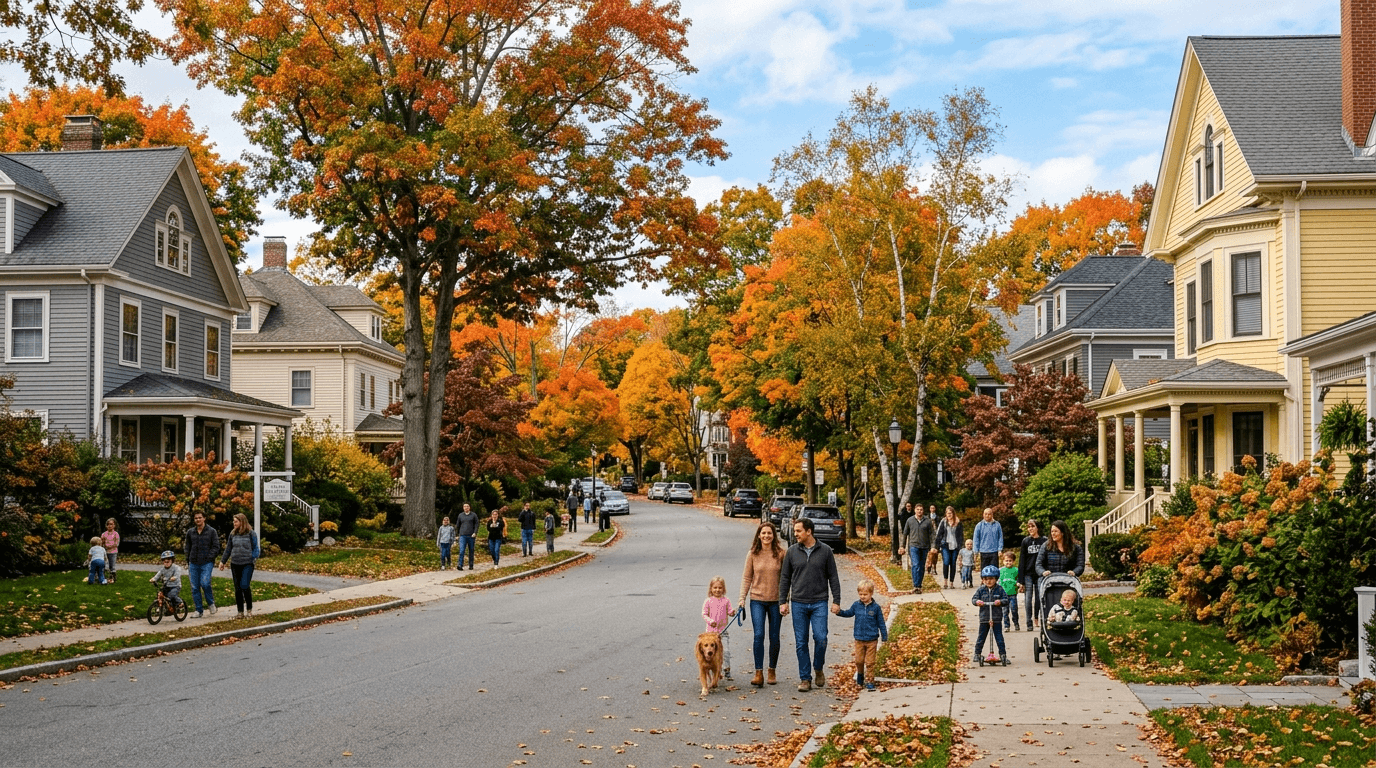
Yes—and it's not a close call. Newton is one of the most family-friendly communities in Greater Boston, with a rare mix of top-tier public schools, remarkably safe neighborhoods, and a "Garden City" layout built around 13 distinct villages. This is the kind of place where kids ride bikes to their friends' houses and parents wave hello at the playground because they actually know each other.
What sets Newton apart is that it never feels like one giant, undifferentiated suburb. It's a collection of walkable, tree-lined villages, each with its own personality and its own village center. When I'm showing homes here, families tell me the same thing again and again: they want a real neighborhood. Newton delivers that in a way many surrounding towns just can't match.
Safety is a huge piece of the appeal. Quiet residential streets and a strong sense of community make this one of those towns where neighbors genuinely look out for one another. Pair that with a nationally respected school system—anchored by Newton North and Newton South High Schools, along with a 96% graduation rate district-wide—and it's easy to see why families settle in and stay for decades.
Newton Village Lifestyle Guide for Families
Upper Falls, Lower Falls
Newton’s 13-village structure gives families distinct lifestyle choices, from walkable village centers to quieter residential areas and relatively more approachable price pockets.
Most Walkable VillagesNewton Centre, Newton Highlands
If you're weighing your options, the school data is reassuring. Newton ranks among the top-performing districts in Massachusetts and holds its own against peer communities like Lexington, Needham, and Brookline. High school performance is especially strong, with a composite high-school score of 77.2—something that really matters when you're planning years down the road.
Top School District Score Comparison: Newton and Peer Communities
Newton ranks among the top-performing Massachusetts districts in this MCAS-based comparison, with especially strong high school performance—an important signal for families planning long-term.
One thing worth knowing if you're comparing class sizes: district enrollment has trended gently downward in recent years. That's actually good news for families. Projected class sizes stay comfortably below district maximums—kindergarten, for instance, is projected to average around 17.4 students against a cap of 22.
Newton Public Schools Enrollment Trend
Newton Public Schools enrollment has trended lower since 2019–2020, a useful context point for parents evaluating class sizes, staffing decisions, and future school planning.
Newton Public Schools enrollment has trended lower since 2019–2020, a useful context point for parents evaluating class sizes, staffing decisions, and future school planning.
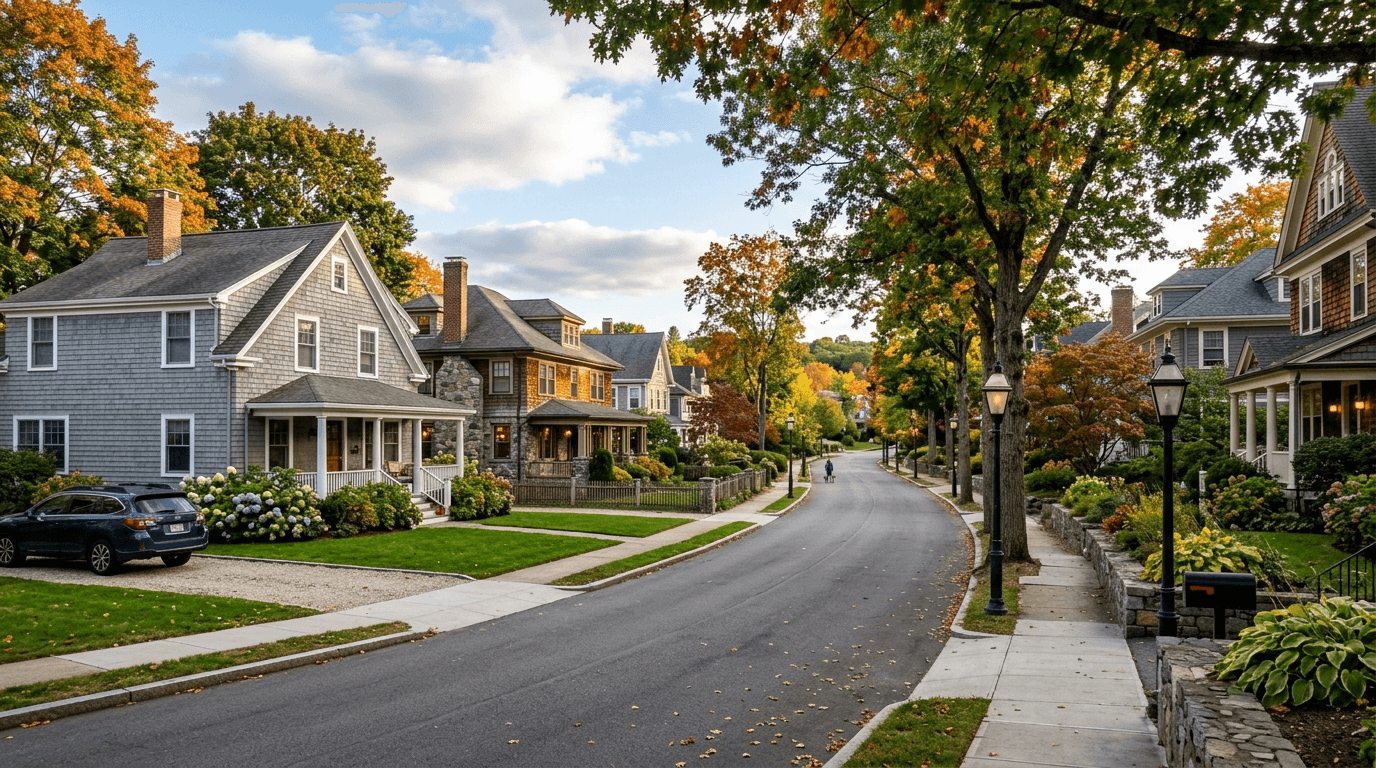
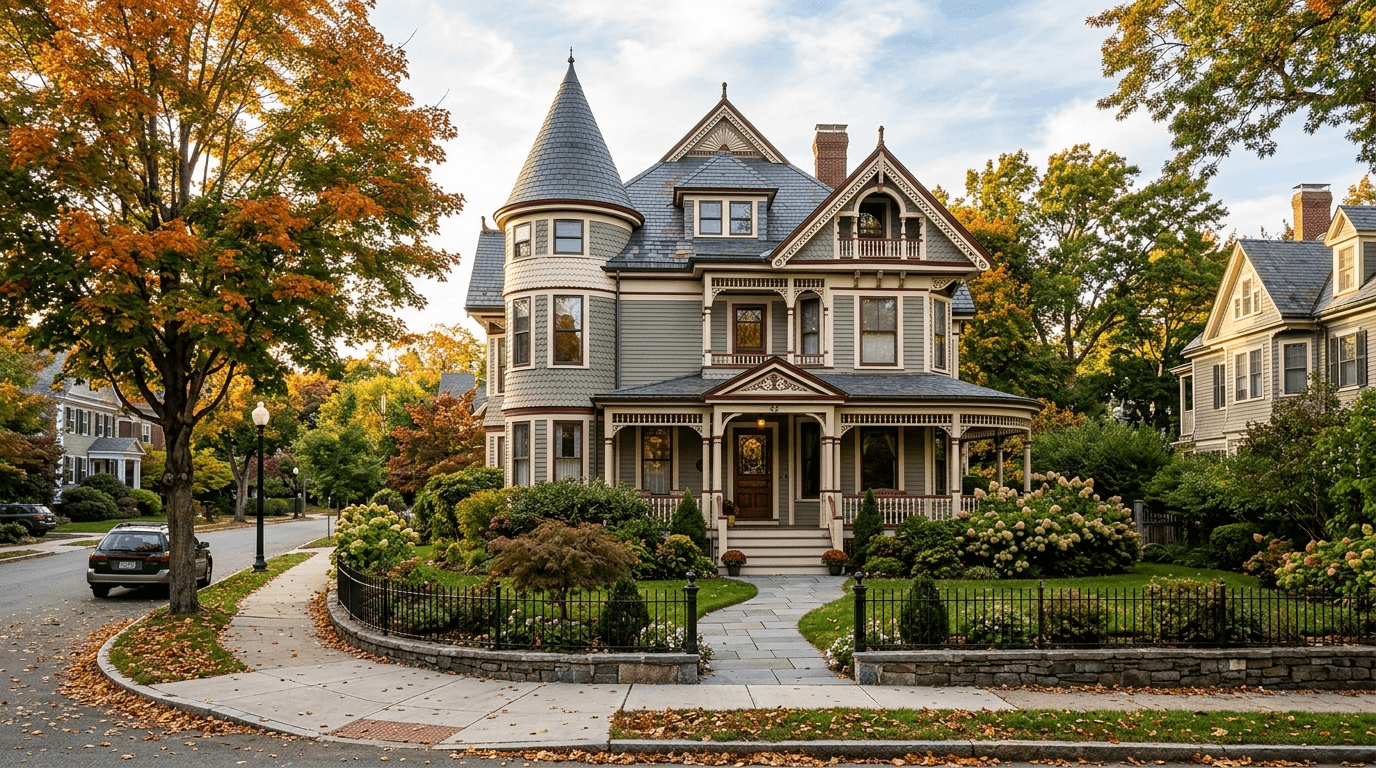
Newton's housing stock is defined by historic charm—think Victorians, Colonials, and Tudors—set on generous, tree-shaded lots. Much of the city was built before 1940, which gives its neighborhoods that timeless, settled character that's so hard to replicate in newer developments.
For growing families, that's a big part of the draw. These older homes usually sit on larger parcels with mature trees, real backyards, and room for a swing set or a garden. And many have been thoughtfully updated inside, so you get the best of both worlds: preserved period details like original moldings and hardwood floors, paired with the open kitchens and modern bathrooms today's families want.
A little honest advice from someone who tours these homes constantly—budget for character. Older houses are wonderful, but plan for a renovation cushion, often in the $50,000–$100,000 range for meaningful updates. Four of Newton's villages (Auburndale, Chestnut Hill, Newton Upper Falls, and Newtonville) also fall within historic districts, so exterior changes may require review. None of this is a dealbreaker, but it's good to know before you fall head over heels for a house.
Here's where the market stands for buyers right now:
Newton Family Buyer Market Snapshot: Spring 2026
A family-focused snapshot of Newton’s Spring 2026 housing market: high prices, quick single-family sales, tight inventory, and elevated mortgage rates all shape the buying experience.
The median single-family home runs around $1.42M, while condos offer a more accessible entry point near $685,000. Homes move fast—often in just 11–14 days—and frequently sell above asking, with a list-to-sale ratio around 103.2%. Prices vary meaningfully by village: Newton Centre and Chestnut Hill land in the $1.6M–$2.2M+ range, while Auburndale and Nonantum offer relative value at $900K–$1.2M. Compared to the denser condo markets of Cambridge or Brookline, Newton gives families more square footage and yard space for the money. For a lot of my clients, that trade-off is exactly the point.
Where Do Families Gather in Newton, MA?
The heart of community life here lives in Newton's village centers, its parks, and the Newton Free Library. These are the places where friendships take root, weekends unfold, and kids grow up alongside one another.
Newton Centre and West Newton Square are the bustling hubs, full of boutiques, cafes, and family-friendly restaurants where you'll run into half the neighborhood on a Saturday morning. For a quick after-school treat, families love rancatore's ice cream and yogurt , a genuine local institution.
The green space is remarkable, too. Cold Spring Park is a scenic favorite for walks and youth sports, and the network of playgrounds—including Newton Centre Playground —gives younger kids plenty of places to burn off energy. Beyond that, there's Webster Woods, the Charles River tributaries, and Crystal Lake, a beloved historic spot for summer swimming and winter skating.
The Newton Free Library deserves a special shout-out. It's well-stocked, hosts free events and local artists, and works as a true community gathering place—the kind of civic anchor that makes a town feel genuinely connected.
Newton is also investing in inclusive public spaces, which says a lot about its values:
$2.4MMass CC Sustainability Grant (Shared with Lincoln)
Family-Friendly Infrastructure and Sustainability Projects
Newton’s infrastructure and sustainability pipeline includes grant funding and a major accessible playground investment—relevant to families who value parks, climate planning, and inclusive public amenities.
Climate Leader Community Program Grant Eligibility$1,000,000
Universally Accessible Playground Projected Cost$1.2M to $1.7M
The planned universally accessible playground—budgeted at $1.2M to $1.7M—reflects the city's commitment to spaces every family can enjoy, right alongside meaningful sustainability grant funding.
How Is the Commute From Newton, MA to Boston?
Newton offers some of the most convenient commuting options in Greater Boston. Multiple rail lines and direct highway access put downtown within reach in as little as 10–25 minutes by car in light traffic.
For families with one working parent, or two, that transit flexibility is a real quality-of-life factor. Here's how the pieces fit together:
•MBTA Green Line (D Branch): Light-rail stops at Newton Centre, Newton Highlands, and Riverside offer a relaxed, one-seat ride into the city—perfect if you'd rather read than drive.
•MBTA Commuter Rail (Framingham/Worcester Line): Stops in Newtonville, West Newton, and Auburndale provide faster service for anyone heading into South Station.
•Highway Access: Direct connections to the Massachusetts Turnpike (I-90) and Route 9 keep the drive into downtown Boston simple, typically around 20 minutes.
This is where Newton's "middle ground" villages really shine. West Newton, Newtonville, and Auburndale are transit-oriented, giving families walkable access to commuter rail without giving up that quiet residential feel. Compared to living closer in toward Cambridge or Somerville, Newton lets you keep the space and the schools while still keeping your commute sane—a balance my clients come back to time and again.
Whether you're after walkability, a great school assignment, or the shortest possible train ride, there's a village in Newton that fits. And that's really the magic of this place: thirteen distinct neighborhoods, one welcoming community, and plenty of room for your family to grow.
Yes. Newton, MA is considered one of the most family-friendly communities in Greater Boston, with highly rated public schools, safe residential neighborhoods, and 13 distinct villages with walkable centers. Families are also drawn to its parks, playgrounds, library, and strong neighborhood feel.
How are the schools in Newton, MA?
Newton, MA is known for a top-performing public school system with a 96% district-wide graduation rate. The district is anchored by Newton North and Newton South High Schools, and its high school performance is strong compared with peer communities such as Lexington, Needham, and Brookline.
What types of homes are available in Newton, MA for families?
Homes in Newton, MA are often historic Victorians, Colonials, and Tudors, many built before 1940 on tree-shaded lots. Families typically find larger parcels, mature landscaping, and real yard space, with many homes updated to include modern kitchens and bathrooms while preserving original details.
Are condos and townhomes in Newton, MA a good option for families?
Yes. Condos in Newton, MA provide a more accessible entry point than single-family homes, with a median condo price around $685,000 compared with about $1.42 million for single-family homes. They can be a practical option for families who want access to Newton’s schools, villages, parks, and transit without purchasing a larger detached home.
How much does it cost to buy a home in Newton, MA?
Newton, MA is an expensive housing market, with the median single-family home around $1.42 million. Village pricing varies, with Newton Centre and Chestnut Hill typically in the $1.6 million to $2.2 million-plus range, while Auburndale and Nonantum offer relative value around $900,000 to $1.2 million.
What is the commute like from Newton, MA to Boston?
Newton, MA offers strong transportation options for commuters, including MBTA Green Line D Branch stops at Newton Centre, Newton Highlands, and Riverside. The Framingham/Worcester commuter rail also serves Newtonville, West Newton, and Auburndale, and drivers have direct access to I-90 and Route 9.
Which parts of Newton, MA are best for walkability and transit?
Newton, MA can be convenient for families who want both walkability and commuting access. Newton Centre and West Newton Square are active village hubs, while West Newton, Newtonville, and Auburndale offer walkable access to commuter rail in a quieter residential setting.
What should buyers know before purchasing an older home in Newton, MA?
Buyers should be aware that Newton, MA homes often sell quickly, commonly in 11 to 14 days, and may sell above asking with a list-to-sale ratio around 103.2%. Many older homes also require a renovation budget, often in the $50,000 to $100,000 range for meaningful updates, and exterior changes in some historic districts may require review.