Waltham, MA Neighborhood Guide: Historic Charm Meets Family-Friendly Community
Explore Waltham’s quiet village feel: $750K median homes, 15-day market, 2 Fitchburg Line stops, Moody Street, parks, and MacArthur 8/10.
Written ByArthur Deych
PublishedJuly 24, 2026
We're AD Advisors, a Brookline, MA real estate team led by Arthur Deych, serving buyers, sellers & investors across Greater Boston. Let's find your next move. Serving Brookline, Winthrop, Norwood, Watertown, Waltham, Revere, Medford, Ashland, Framingham, Dedham, Newton, Somerville, Needham, Boston, Cambridge and Westwood, MA.
Waltham, MA
Region
In July 2026, the median sale price for homes in Waltham, MA was $790,000, down 3.7% from a year earlier.
Is Waltham, MA Good for Families?
Yes—and honestly, it's one of the most balanced choices for young families anywhere in Greater Boston. You get the energy of a real city paired with the calm of tree-lined streets where kids ride bikes after school.
Whenever I walk clients through neighborhoods here, the first thing they mention is how livable it feels. Waltham hits a sweet spot that's hard to find. There are vibrant restaurants and a genuine cultural life, but there are also quiet pockets like Piety Corner and the West End where neighbors actually know each other and children play outside. People tend to stay, too. I've talked with longtime homeowners who've been in South Waltham for 12 years and North Waltham for 6 years, and that says something. Folks don't just pass through Waltham—they settle in and raise their families here.
Safety usually comes up next, and it's an easy question to answer. Waltham is widely regarded as a safe community, and the city keeps reinvesting in the kinds of public spaces families actually use. Take the ongoing redevelopment of the former Fernald property at 200 Trapelo Road. The city has put real money behind recreation there, including a $940k competitive swimming pool design and $6.4m in theater, arts, and athletic-area improvements.
$6.4mTheater/Arts & Athletic Area Phases 4-5
200 Trapelo Road (Fernald) Recreation & Repairs
A community-amenity project card highlighting major recreation, repair, and infrastructure investments at the former Fernald School property—especially relevant for families tracking parks, athletic facilities, and public-space improvements.
Howe & Administration Building Exterior Renovation$6.4m
That's exactly the kind of commitment to parks, pools, and shared space that I point growing families toward. Compared to denser markets like Cambridge or Somerville, Waltham offers that quiet "village" feel so many clients are after—without giving up walkable amenities. And the Waltham Public Library is genuinely excellent, a go-to rainy-day spot for parents with little ones.
When it comes to schools, families have solid, higher-rated elementary options to build around. Douglas MacArthur Elementary is one I hear about all the time. It carries a strong 8/10 rating with a comfortable 10:1 student-teacher ratio.
Douglas Macarthur Elementary School
8
A school-focused card for families comparing core indicators at one of Waltham’s higher-rated elementary options, including rating, enrollment, proficiency, and classroom ratio.
My advice is always the same: match your home search to your preferred school zone early. The elementary landscape shifts quite a bit across the city, so choosing your neighborhood and your school together is the smart move.
Waltham Elementary School Ratings
A simple school-rating comparison for elementary options in Waltham, useful for young families weighing neighborhood fit and school access.
A simple school-rating comparison for elementary options in Waltham, useful for young families weighing neighborhood fit and school access.
MacArthur, James Fitzgerald (7/10), and the Dual Language Program (7/10) are the ones parents ask me about most. And for after-school enrichment, plenty of families lean on options like Kumon Math and Reading Center of Waltham .
What Are Homes Like in Waltham, MA?
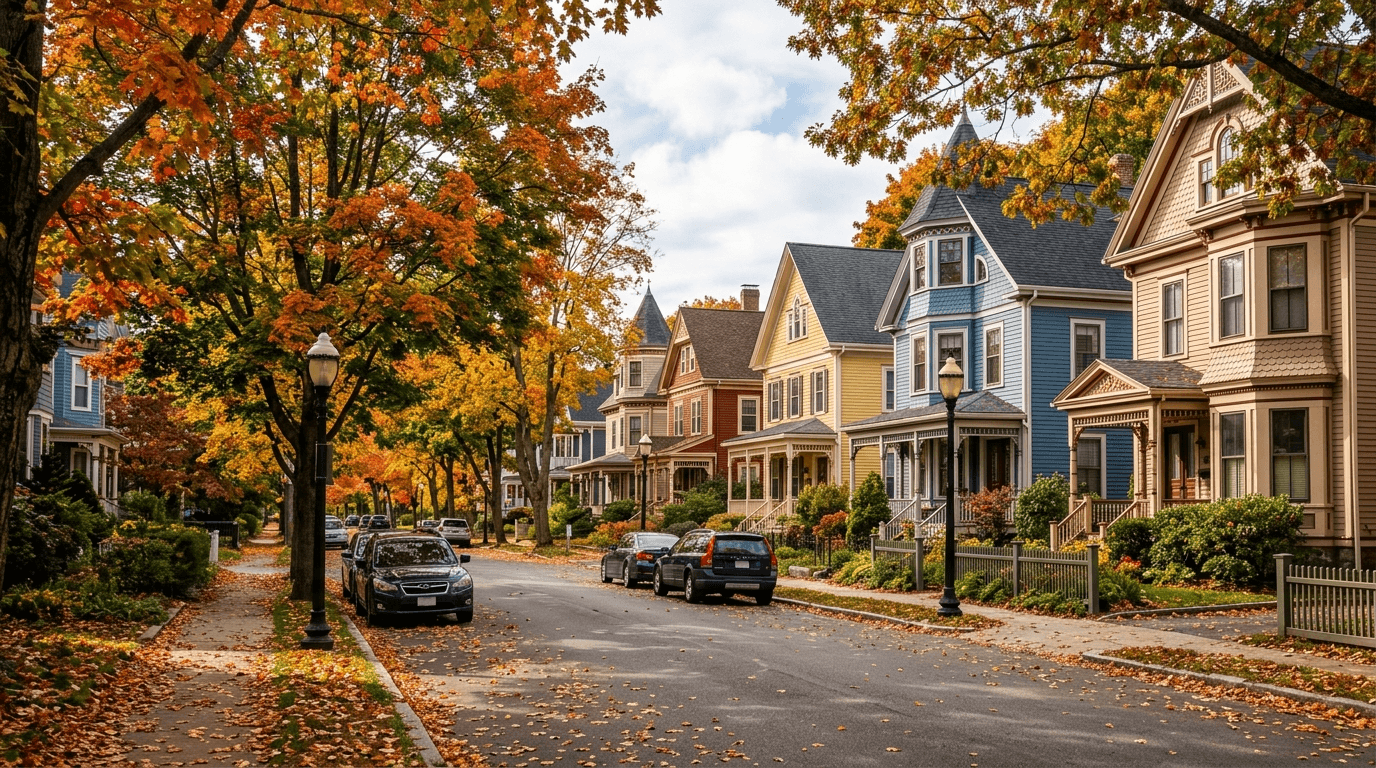
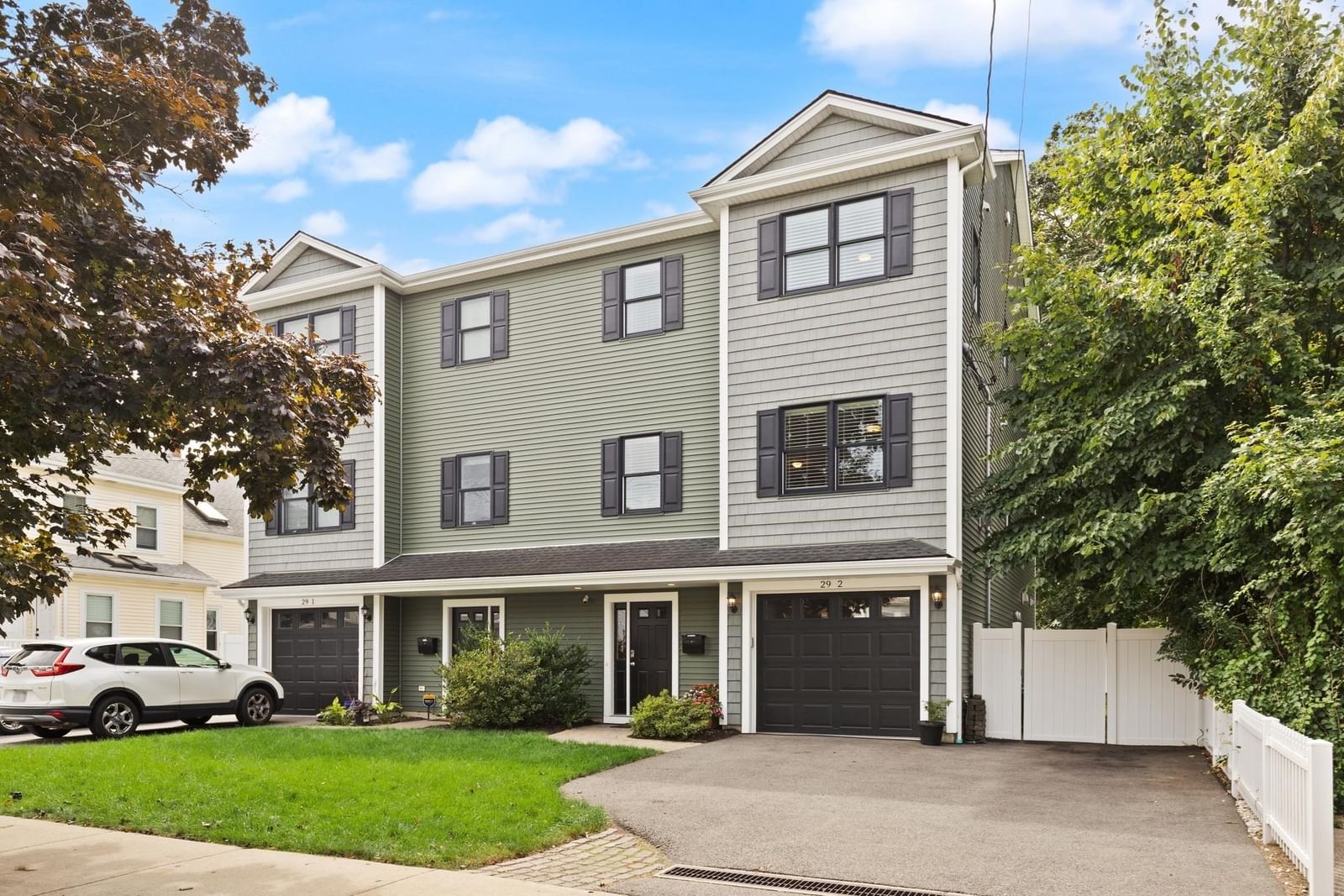
Waltham's housing is all about historic character—classic New England Colonials, stately Victorians, multi-family homes—often on lots big enough to give kids a real backyard.
This is one of my favorite parts of showing homes here. You'll step into a century-old Victorian with original woodwork and soaring ceilings, then discover it's been thoughtfully updated inside with a modern kitchen and renovated baths. The city truly values its architectural heritage, and that preservation mindset keeps neighborhoods feeling cohesive and full of personality—not cookie-cutter.
For young families, two things matter most: space and value. Waltham delivers on both, especially next to its neighbors.
Greater Boston Median Home Prices: Spring 2026
A regional affordability comparison showing Waltham positioned below Watertown and far below Wellesley, while still above outer-value markets such as Hudson and Marlborough.
A regional affordability comparison showing Waltham positioned below Watertown and far below Wellesley, while still above outer-value markets such as Hudson and Marlborough.
At a $750K median, Waltham sits comfortably below Watertown ($875K) and dramatically below Wellesley ($1.9M), all while offering strong schools and city amenities. That gap is exactly why I steer so many first-time buyers and move-up families this way. Your dollar simply stretches further here, and that means more square footage and yard space for a growing household.
Here's where the market stands right now:
Waltham Market Snapshot: June 2026
A family-focused headline snapshot of Waltham’s June 2026 housing market, combining pricing, inventory, rent, and pace metrics without forcing mixed units into a single chart.
•It moves fast. With a median of 15 days on market and a 100% sale-to-list ratio, this is a seller's market. Come pre-approved and ready to act.
•Neighborhood matters. Median listing prices range from about $812,000 in the West End to roughly $949,999 in North Waltham, so there's real variety depending on where you look.
•Long-term stability is strong. Property values in Waltham have approximately doubled since 2015, which is reassuring for families thinking about equity over the long haul.
The carrying costs are a pleasant surprise, too. The FY2026 residential tax rate is $10.32 per $1,000, and the tax on a median home runs about $7,746 per year—roughly $646/month. Compare that to Watertown's median tax bill of $10,402 or Weston's $19,983, and it's clear why the total cost of ownership here appeals to budget-conscious families. Waltham also offers a residential exemption of 35% for owner-occupants, which meaningfully lowers the bill on the home you actually live in.
Where Do Families Gather in Waltham, MA?
Families come together along vibrant Moody Street for dinners out, at historic estates like Gore Place for seasonal festivals, and up at Prospect Hill Park for hiking and skyline views.
Moody Street is the heart of it all. The dining scene here is genuinely excellent and refreshingly diverse—one weekend you're grabbing tacos, the next you're settling into a classic Italian spot. In the warmer months, the city closes off portions of Moody Street to cars, and it turns into a pedestrian-friendly zone where families stroll, kids run around, and everyone eventually lands at spots like Lizzy's Homemade Ice Cream for dessert. It's that low-key, community-first kind of evening that makes clients fall in love with the town.
For outdoor time, families have plenty of options:
•Gore Place and the Lyman Estate offer sprawling historic grounds—perfect for open-space play, farm visits, and seasonal community events.
•Prospect Hill Park is where I send anyone who wants to hike, picnic, and catch a real view of the Boston skyline.
•The Charles River RiverWalk gives you a paved path for strollers, bikes, and morning walks. I'll be honest with clients—some feel the Waltham stretch isn't quite as polished as the Watertown side of the river, but it's still a lovely everyday amenity.
Throw in easy grocery runs to Hannaford and a coffee stop at The Fika Spot , and you've got the daily rhythms that make a place feel like home.
How Is the Commute from Waltham, MA to Boston and Cambridge?
Waltham offers some of the best commuter access in the western suburbs—two MBTA Commuter Rail stops, direct highway access, and express buses straight into downtown Boston.
For working parents, this is often the deciding factor, and it's where Waltham really shines. The town sits on the MBTA Commuter Rail Fitchburg Line, which gives you two convenient boarding points: the main Waltham station right in the heart of downtown, and the Brandeis/Roberts stop on the west side near the university. Both connect you straight to Boston's North Station—no stressful drive into the city required.
For families who prefer to drive, the location is tough to beat:
•I-95 (Route 128) runs right along the western edge of town, opening up the entire tech corridor and the suburbs to the north and south.
•Route 2 gives you a fast shot toward Cambridge and Alewife, where you can hop the Red Line.
•Express bus routes offer yet another car-free path directly into downtown Boston.
This is a genuine edge over quieter towns further out. I often tell clients that Waltham gives you a suburban lifestyle with a commute that feels more like an inner-ring neighborhood. One parent can catch the train downtown while the other drives the tech corridor—all from the same driveway. For a family juggling two careers and school drop-offs, that kind of flexibility is worth its weight in gold.
The Bottom Line for Families
Waltham pulls together the pieces young families are really searching for: historic homes with room to grow, a safe and welcoming community, strong elementary school options, and a commute that keeps both Boston and the suburbs within easy reach—all at a median price well below neighboring Watertown, Newton, and Wellesley. It's a city that's easy to settle into and, judging by how long people stay, even easier to call home.
Yes. Waltham, MA is widely regarded as a safe, family-friendly community with a mix of city amenities and quieter residential areas. Neighborhoods such as Piety Corner, the West End, South Waltham, and North Waltham offer tree-lined streets, long-term residents, and a more settled residential feel.
How are the schools in Waltham, MA for young families?
Waltham, MA has several stronger elementary options, including Douglas MacArthur Elementary, which has an 8/10 rating and a 10:1 student-teacher ratio. James Fitzgerald Elementary and the Dual Language Program are also noted options, each with a 7/10 rating.
What types of homes are common in Waltham, MA?
Waltham, MA homes are known for historic New England character, including Colonials, Victorians, and multi-family homes. Many properties offer more space and yard potential than buyers often find in denser nearby markets like Cambridge or Somerville.
Are there condos or townhomes in Waltham, MA for young families?
Waltham, MA includes multi-family homes within its housing stock, which can appeal to buyers looking for alternatives to traditional single-family homes. Specific HOA costs are not uniform across properties, so buyers should evaluate monthly fees, building rules, and included services on a property-by-property basis.
Is Waltham, MA affordable compared with nearby Boston suburbs?
Waltham, MA is relatively more affordable than several nearby communities, with a median home price around $750,000. That is below Watertown at $875,000 and far below Wellesley at $1.9 million, while still offering schools, amenities, and commuter access.
How is the commute from Waltham, MA to Boston and Cambridge?
Waltham, MA has strong commuter access, including two MBTA Commuter Rail stops on the Fitchburg Line: Waltham station downtown and Brandeis/Roberts on the west side. The city also offers access to I-95/Route 128, Route 2 toward Cambridge and Alewife, and express bus routes into downtown Boston.
Where do families spend time in Waltham, MA?
Families in Waltham, MA commonly gather on Moody Street, at Prospect Hill Park, along the Charles River RiverWalk, and at historic open spaces such as Gore Place and the Lyman Estate. Moody Street is especially popular for family dining and becomes more pedestrian-friendly during warm-weather street closures.